
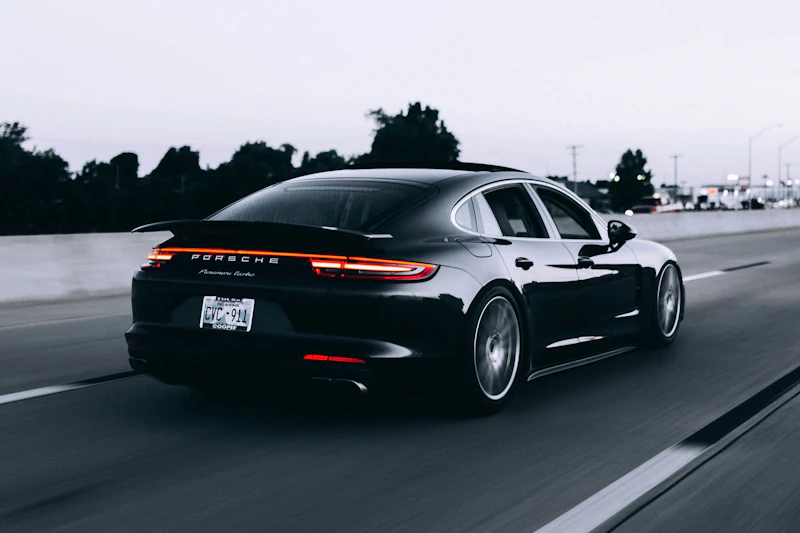
The Thrill of the Open Road vs. The Static Vault
Every petrolhead knows the spine-tingling thrill of a cold startup, the tactile click of a gated manual shifter, or the surge of torque pushing you deep into your seat. Automobiles are, at their core, dynamic machines—masterpieces of engineering built to conquer winding roads and carve through racetracks. Yet, in the high-stakes world of automotive collecting, a fascinating paradox has taken hold: the less a car is used, the more valuable it becomes.
The Rise of the "Time Capsule" Collector Car
In recent years, premier auction houses like RM Sotheby’s, Bring a Trailer, and Gooding & Company have shattered sales records with "delivery-mileage" vehicles. From 1990s Japanese performance icons like the Nissan Skyline GT-R and Toyota Supra to modern hypercars like the Ferrari LaFerrari and McLaren P1, buyers are paying staggering premiums for cars that have effectively spent their lives in static isolation.
These pristine, untouched vehicles are often referred to as "time capsules." They represent a moment frozen in time, exactly as the vehicle rolled off the factory assembly line. For ultra-high-net-worth collectors, acquiring a car with single-digit odometer miles isn't just about owning a rare automobile—it's about owning a piece of history that remains completely unblemished by the real world.
Why "Zero Miles" Commands a Massive Premium
Why are buyers willing to pay two, three, or even five times the price of a well-maintained, driven example? Several key factors fuel this valuation frenzy:
- Uncompromising Originality: Once a car is driven, it incurs wear. Rock chips, interior patina, and replaced wear-and-tear items diminish its factory-original status. A zero-mile car guarantees 100% original components, down to the factory air inside the tires.
- Ultimate Scarcity: While thousands of a particular model may have been produced, only a handful exist in un-driven, wrapper condition. Extreme scarcity drives intense competitive bidding among elite collectors.
- Investment Asset Status: For many modern buyers, high-end cars are treated like blue-chip stocks or fine art. Keeping miles off the odometer preserves the physical asset in liquid, auction-ready condition.
The Dark Side of the "Odometer Trap"
While preserving a car in a climate-controlled bubble might make financial sense on paper, it creates a unique psychological and mechanical predicament. Enthusiasts call this the "odometer trap"—the moment a car's market value becomes so tied to its ultra-low mileage that driving it even 50 miles feels like burning thousands of dollars in equity.
More importantly, cars that aren't driven actively suffer mechanically. Internal combustion engines are designed to move, circulate fluids, and reach operating temperatures. When a vehicle sits idle for years or decades, severe degradation occurs:
- Degraded Rubber and Seals: Suspension bushings, engine gaskets, O-rings, and tires dry out, crack, and rot without regular heat cycles and fluid lubrication.
- Corrosion and Fluid Breakdown: Old brake fluid absorbs ambient moisture, rusting lines from the inside out. Stale gasoline turns into a varnish-like sludge that ruins fuel injectors and fuel tanks.
- Engine Seizure Risk: Dry starts after years of sitting can cause catastrophic engine scoring if internal components aren't meticulously pre-oiled before turning over the ignition.
Restoring a "Zero-Mile" Car Can Erase Its Value
Ironically, bringing a long-dormant time capsule back to roadworthy condition requires extensive mechanical reconditioning. Replacing rotted belts, flushing fluids, and fitting fresh rubber can cost tens of thousands of dollars. Worse yet, doing so can strip away the very "factory originality" that gave the car its record-breaking value in the first place, leaving collectors in a strange catch-22.
Art Piece vs. Driving Machine: Finding the Balance
This dynamic has split the automotive community into two distinct camps: the static preservers and the active purists.
Static preservers view automobiles as industrial sculpture and historical artifacts worthy of museum preservation. On the other hand, active purists argue that a supercar sitting idle in a climate-controlled vault is a tragic waste of potential, denying the vehicle its true purpose.
For everyday enthusiasts and rising collectors, the lesson is clear: if you buy a car strictly to drive and enjoy, avoid paying the steep premium for a bottom-drawer mileage example. High-mileage, well-documented, and mechanically sorted cars offer 95% of the driving experience at a fraction of the price—without the agonizing guilt of watching the odometer tick upward.
The Final Lap
Whether you view ultra-low-mileage cars as shrewd financial investments or tragic automotive statues, one thing remains certain: the market for untouched time capsules isn't slowing down. As electrification rapidly reshapes the automotive landscape, pristine internal combustion machines will likely command even higher premiums. But for those who believe cars possess a soul, the real value will always be found out on the open road.