
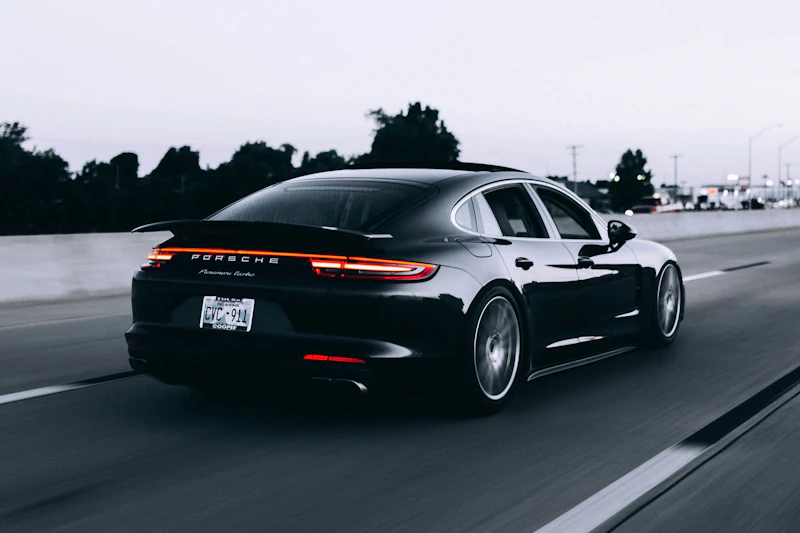
The recent release of media coverage highlighting "Amsterdam’s War on Cars" has reignited a fierce global debate. For over half a century, the personal automobile represented the ultimate freedom of mobility. Today, in progressive European metropolises like Amsterdam, the car is increasingly viewed not as a symbol of freedom, but as an unwelcome guest in urban spaces.
For car enthusiasts, commuter drivers, and urban planners alike, what is happening on the streets of the Dutch capital is far more than a local policy shift. It is a live test case for the future of city driving worldwide. But how did Amsterdam get here, and what does this aggressive push against urban vehicle ownership mean for automotive culture?
From Highway Blueprint to Bicycle Capital
It might surprise modern automotive fans to learn that in the 1960s and 1970s, Amsterdam was on track to look remarkably like a car-centric American city. Urban planners drafted major proposals to fill in historic canals and build multi-lane expressways directly through the city center to accommodate rising automotive traffic.
However, a powerful public backlash triggered by rising traffic fatalities, combined with the global oil crisis of 1973, completely altered the city's trajectory. Over the following decades, Amsterdam systematically re-engineered its infrastructure. What started as an effort to protect pedestrians has evolved into a comprehensive, multi-decade campaign to reduce vehicle presence in the urban core.
The Playbook: How Amsterdam is Removing Cars
The term "war on cars" may sound dramatic, but the policies being deployed are deliberate and highly effective. The strategy relies on making driving and parking within the city center so inconvenient, slow, and expensive that drivers voluntarily choose alternative transit options.
- Systematic Parking Removal: The city removes thousands of on-street parking spaces every year, replacing asphalt with parks, cycling paths, and wider pedestrian walkways.
- Sky-High Parking Rates: Street parking fees in the city center have soared to over €7.50 to €10 per hour, paired with soaring residential parking permit costs and years-long waiting lists.
- Traffic-Filtering "Kniks": Municipal planners have implemented physical barriers and one-way loops that prevent motorists from driving directly through the center, forcing cars onto peripheral ring roads instead.
- Strict Low-Emission Zones (LEZs): Older diesel and gasoline vehicles face sweeping bans, with a complete transition toward zero-emission urban transport mandated by 2030.
- 30 km/h Speed Limits: Default speed limits across most city streets have been lowered to roughly 18 mph, ensuring that cycling is often faster than driving for short-to-medium urban trips.
The Enthusiast’s Dilemma: EV Myth vs. Reality
For automotive enthusiasts, watching these shifts unfolds with mixed feelings. While clean air and safe streets are universally appreciated, the systematic phase-out of the automobile raises complex questions about personal mobility and freedom of choice.
A crucial takeaway from Amsterdam’s playbook is that urban planners are not simply trying to swap internal combustion engine (ICE) cars for Electric Vehicles (EVs). Their primary goal is reducing the sheer volume of personal vehicles, regardless of powertrain. A 4,000-pound electric SUV still occupies valuable public space, contributes to microplastic tire wear, and exacerbates traffic congestion just like a gasoline-powered vehicle. For those who view driving as a passion rather than a simple errand, the urban core is rapidly becoming a no-drive zone.
Is Your City Next? The Global Cascade Effect
Amsterdam is not an isolated case study; it is a preview of what is coming to major cities worldwide. Urban centers across Europe and North America are actively copying elements of the Dutch blueprint:
- Paris: Has pedestrianized miles of roads along the River Seine, banned older diesel models, and recently tripled parking fees for heavy SUVs.
- London: Expanded its Ultra Low Emission Zone (ULEZ) to cover the entire metropolis while introducing strict Low Traffic Neighborhoods (LTNs).
- New York City: Pushed forward with congestion pricing initiatives designed to curb private vehicle traffic entering Manhattan.
The Future of Driving in an Urbanizing World
Automakers are taking notice. Major manufacturers are shifting investments toward compact electric city cars, micro-mobility concepts, and mobility-as-a-service platforms. The era of owning a full-size sedan or performance sports car while living in a densely populated historic city center is rapidly coming to a close.
However, this shift does not signal the death of automotive passion. Instead, it is redefining where car culture belongs. As city centers prioritize human-scale infrastructure, the joy of driving is returning to its roots: open highways, scenic backroads, mountain passes, and closed track circuits. The automobile may be losing its foothold on city streets, but for true enthusiasts, the pure experience of the open road remains as vital as ever.