
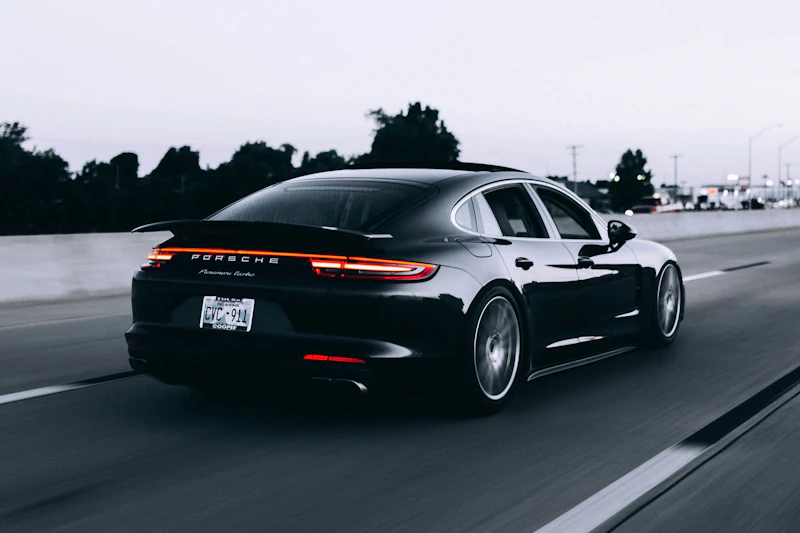
The Shocking Reality of Aggressive Driving
A recent, terrifying incident in Bed-Stuy, Brooklyn, served as a stark reminder of how quickly road rage can escalate into tragedy. Reports of a dispute between drivers culminated in a multi-car crash that sent vehicles hurtling into a local building and injuring an innocent pedestrian. For car enthusiasts and daily commuters alike, this shocking event underscores a growing epidemic on our roadways: aggressive driving that threatens lives, livelihoods, and our beloved vehicles.
As passionate drivers, we often invest significant time, emotion, and money into our vehicles. However, the physical safety of ourselves and others must always take precedence. When tempers flare on the asphalt, knowing how to react can mean the difference between arriving home safely or becoming another tragic headline. Here is your comprehensive guide to identifying, avoiding, and surviving road rage encounters.
Understanding the Anatomy of Road Rage
Road rage is not just bad driving; it is a psychological phenomenon. The comfort and anonymity of a vehicle cabin can make otherwise polite individuals feel invincible. When combined with daily stressors, traffic congestion, or personal frustration, a simple lane change can be misinterpreted as a personal attack.
To protect yourself, you must first recognize the warning signs of an aggressive driver. These behaviors often serve as precursors to full-blown road rage:
- Tailgating or flashing high beams persistently.
- Erratic lane weaving without signaling.
- Honking aggressively or making obscene gestures.
- Using the vehicle to block others or cut them off.
Active Strategies to Defuse a Hostile Situation
If you find yourself targeted by an aggressive driver, your primary objective is de-escalation. Never attempt to "teach the other driver a lesson" or stand your ground. Instead, employ these active safety measures immediately:
- Create distance: Safely slow down, change lanes, and let the aggressive driver pass you. The further away they are, the safer you are.
- Avoid eye contact: Looking at an angry driver can be perceived as a challenge, further fueling their anger. Keep your eyes on the road ahead.
- Do not engage: Avoid reciprocating gestures, honking back, or shouting. Swallow your pride to preserve your safety.
- Use your turn signals early: Predictability reduces friction. Always signal your intentions clearly so nearby drivers are not caught off guard.
Leveraging Technology for Your Protection
Modern automotive technology offers several tools that can protect you legally and physically during a confrontation. Incorporating these systems into your vehicle setup is highly recommended for any frequent commuter:
- Install a dual-channel dashcam: Having front and rear-facing cameras provides indisputable video evidence if an incident occurs. Often, the mere sight of a dashcam can deter aggressive behavior.
- Keep doors locked and windows up: Ensure your automatic door locks are functioning. If an aggressive driver approaches your vehicle at a red light, do not roll down your window to speak with them.
- Utilize voice-activated emergency calling: Familiarize yourself with your car's hands-free system so you can dial emergency services without taking your eyes off the road or hands off the wheel.
What to Do If You Are Being Followed
In extreme cases, an enraged driver may attempt to follow you. If you realize you are being pursued, do not drive home. Leading an unstable person to your residence compromises your long-term security. Instead, follow these steps:
- Drive to a public, well-lit area: Head toward a police station, fire station, or a busy shopping center.
- Call 911 immediately: Inform the dispatcher of your location, a description of the pursuer's vehicle, and the direction you are traveling.
- Stay in your vehicle: If you must stop, keep the car in gear with the doors locked, leaving enough space in front of you to pull away if necessary.
Cultivating a Defensive Driving Mindset
The best way to survive road rage is to prevent it from happening in the first place. Adopting a defensive driving mindset helps insulate you from the chaos of the road. Practice patience by leaving early for your destinations, giving yourself a buffer against unexpected traffic delays.
Remember that you cannot control how other people drive, but you have absolute control over your own reactions. Safe driving is not about winning; it is about arriving. By staying calm, utilizing onboard safety tech, and prioritizing de-escalation, you protect yourself, your passengers, and your vehicle from the devastating consequences of road rage.