
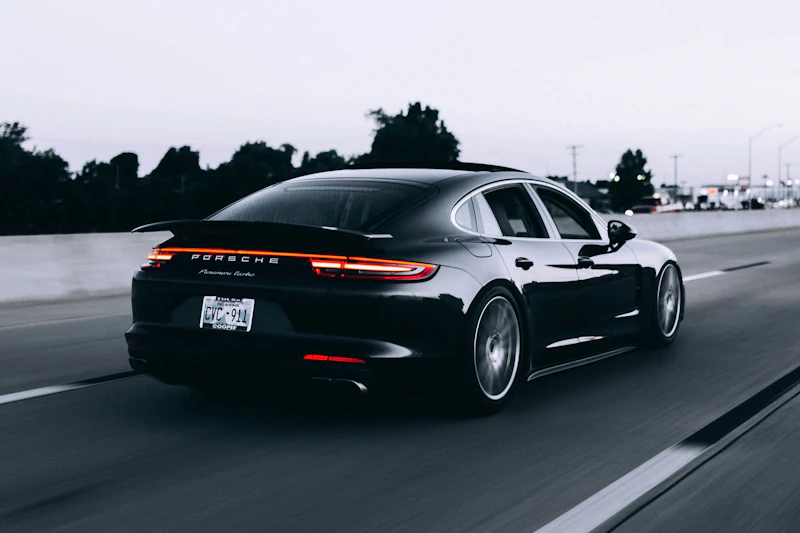
A Historic Milestone for North American Motoring
A new chapter in cross-border automotive history has officially begun. Passenger cars, commercial haulers, and enthusiast rides are now officially rolling across the spectacular Gordie Howe International Bridge. Spanning the Detroit River to connect Windsor, Ontario, and Detroit, Michigan, this monumental infrastructure project is far more than just concrete and steel—it is a vital lifeline for the North American automotive industry and a game-changer for daily commuters alike.
For decades, cross-border traffic relied heavily on the historic Ambassador Bridge and the Detroit-Windsor Tunnel. However, with modern freight demands and increasing traffic volume, a state-of-the-art alternative was desperately needed. Today, driver dreams have become reality as wheels hit the pavement on one of the most technologically advanced and visually striking cable-stayed bridges in the world.
An Architectural Masterpiece Built for Performance
The Gordie Howe International Bridge stands as the longest cable-stayed bridge in North America, featuring an impressive main span of 853 meters (roughly 2,800 feet) without any piers in the water. Designed with both aesthetics and high-volume performance in mind, the structure provides a sleek, uninterrupted silhouette across the skyline.
Engineered to handle millions of vehicles annually, the bridge incorporates multi-lane configurations designed to keep traffic moving smoothly, even during peak rush hours and heavy freight operations. The massive towers, standing over 700 feet tall, support cable stays that suspend the roadway effortlessly above one of the busiest commercial waterways in the world.
What the New Crossing Means for Drivers
Whether you are a long-haul trucker transporting critical engine blocks or a car enthusiast taking a weekend road trip, the new crossing delivers unprecedented benefits designed to elevate the driving experience.
Direct Highway-to-Highway Connectivity
One of the biggest pain points of the legacy crossing was navigating local city streets and stoplights on the Canadian side. The Gordie Howe International Bridge solves this entirely by offering direct, seamless connections between Interstate 75 (I-75) in Michigan and Highway 401 in Ontario. Drivers can now maintain highway speeds right up to the port of entry.
Reduced Wait Times and Smart Border Tech
Nobody likes sitting in bumper-to-bumper traffic waiting for customs. The new U.S. and Canadian Ports of Entry are among the largest border plazas in North America, spanning over 130 combined acres. Equipped with high-efficiency inspection lanes, modern scanning technology, and automated tolling systems, wait times are expected to drop dramatically.
- Expanded Inspection Lanes: Dozens of dedicated lanes for both commercial trucks and passenger vehicles minimize bottlenecks during peak hours.
- All-Electronic Tolling: Contactless, open-road tolling means drivers won't need to come to a complete stop just to pay tolls, keeping traffic flowing smoothly.
- Dedicated Active Transportation Lane: For the first time, cyclists and pedestrians can cross the border safely along a continuous, toll-free multi-use path separated from vehicular traffic.
Supercharging the Automotive Supply Chain
You cannot talk about Detroit and Windsor without talking about automotive manufacturing. Often referred to as two sides of the same automotive coin, the "Motor City" and "Canada's Auto Capital" rely on an intricate, deeply integrated "Just-In-Time" (JIT) manufacturing ecosystem.
Before a single vehicle rolls off an assembly line in Michigan or Ontario, its individual parts may cross the Detroit River multiple times. Engine blocks cast in Canada might be machined in Detroit, sent back across the border for sub-assembly, and returned for final installation. Any delay at the border directly translates to stalled assembly lines and millions of dollars in lost productivity.
By providing a reliable, second high-capacity arterial route, the Gordie Howe International Bridge acts as a critical insurance policy for automotive manufacturers. It guarantees that parts, completed vehicles, and specialized transport trucks move rapidly, keeping North American vehicle production running at peak performance.
Cutting-Edge Safety and Smart Infrastructure
From an engineering perspective, this bridge represents the pinnacle of modern transportation infrastructure. It features intelligent transportation systems (ITS) that communicate directly with navigation platforms and electronic highway signage, alerting drivers in real time to traffic flow, lane closures, and weather conditions.
Future-Proofing for Electric and Autonomous Vehicles
As the automotive world rapidly transitions toward electrification and autonomous driving, the Gordie Howe crossing is built with future tech in mind. The infrastructure includes robust digital connectivity to support vehicle-to-infrastructure (V2I) communication, high-capacity electrical grid support, and lane designs capable of handling heavy autonomous freight platoons as smart trucking technology matures.
Additionally, advanced structural health monitoring sensors embedded within the bridge's cables and road deck continuously feed real-time data to maintenance crews, ensuring the bridge operates at peak safety standards for decades to come.
The Road Ahead
Named after the legendary hockey icon Gordie Howe—a hero beloved in both Canada and the United States—this bridge is a fitting symbol of unity, strength, and movement. As the first official wave of cars and trucks cross this engineering marvel, drivers on both sides of the border are experiencing a faster, safer, and infinitely more efficient way to travel.
Whether you're hauling freight across the continent or simply taking your performance car out to stretch its legs on a cross-border road trip, the Gordie Howe International Bridge is open for business, setting a brand-new standard for 21st-century motoring.