
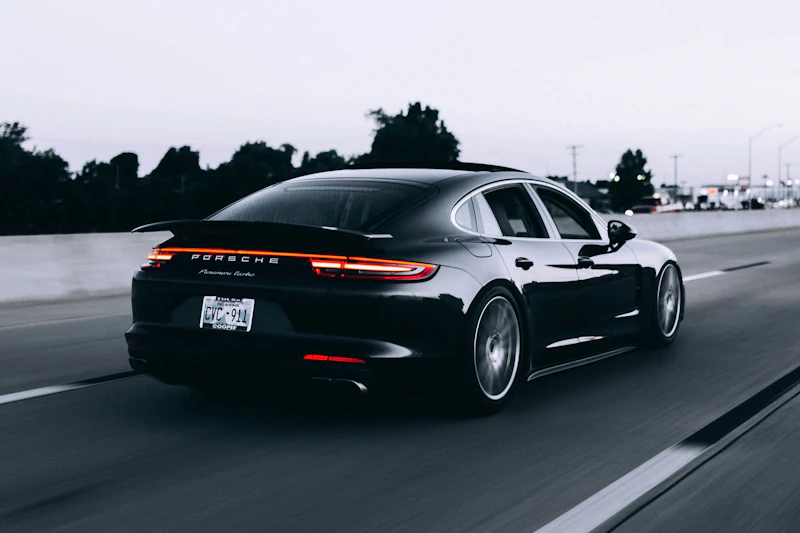
Have you noticed more older vehicles cruising down the highway lately? It is not just your imagination. The average age of passenger vehicles on U.S. roads has climbed to an all-time high of over twelve years. While a decade ago, driving a ten-year-old car might have felt like a financial compromise, today it is a badge of honor for millions of savvy Americans.
What is driving this massive shift in car ownership behavior? From skyrocketing prices to a surprising pushback against modern automotive technology, several factors are convincing drivers that "old reliable" is far better than "shiny and new." Let us dive into the real reasons why Americans are holding on to their older vehicles and what this means for the automotive landscape.
The Sky-High Cost of Upgrading
The most obvious driver of this trend is the sheer financial reality of buying a new car today. Over the past few years, the average transaction price for a new vehicle has hovered near fifty thousand dollars. When you couple those staggering sticker prices with high interest rates on auto loans, the math simply does not add up for the average consumer.
For many households, taking on a new car payment today means committing to seven hundred dollars or more per month for six to seven years. Facing those numbers, spending a thousand dollars to put new tires and brakes on a paid-off vehicle with one hundred thousand miles on the odometer feels like an incredibly smart financial decision.
Modern Cars Are Simply Built Better
Another major reason Americans are keeping their cars longer is that they can. The engineering advancements made during the late 2000s and 2010s have resulted in incredibly durable vehicles. Rust prevention technology, advanced synthetic lubricants, and highly refined powertrains mean that today’s vehicles routinely pass the one-hundred-thousand-mile mark with only basic maintenance.
Hitting two hundred thousand miles used to be a rare milestone reserved for a few legendary models. Today, with regular oil changes and routine care, almost any modern vehicle can reach this milestone, allowing owners to enjoy years of payment-free driving.
Tech Fatigue and the Screen Backlash
While auto manufacturers love to showcase massive touchscreens, digital dashboards, and autonomous driving aids, a growing segment of car buyers is experiencing technology fatigue. Many drivers prefer tactile, physical buttons that they can operate without taking their eyes off the road. They find the endless menus of modern infotainment systems distracting and frustrating.
Furthermore, older cars do not suffer from the software glitches that plague many brand-new models. There are no over-the-air updates that temporarily disable the vehicle, and perhaps most importantly, older cars do not track your driving habits or sell your data to insurance companies.
The Fear of Subscription-Based Features
As car companies look for new ways to generate recurring revenue, they have turned to subscription models for hardware features already built into the vehicles. Drivers have expressed immense frustration at the prospect of paying a monthly fee to use heated seats, remote start, or advanced safety systems.
By keeping an older vehicle, drivers retain complete ownership of all its features. Once you buy the car, everything on it is yours to use forever without a monthly paywall. For many enthusiasts and daily commuters alike, this straightforward ownership model is highly appealing.
How to Keep Your Older Vehicle Running Indefinitely
If you have decided to join the millions of Americans keeping their current vehicles on the road, a proactive maintenance strategy is essential. Keeping an older car reliable requires a shift from reactive repairs to preventative care.
- Prioritize regular fluid changes, including transmission, brake, and coolant fluids, not just engine oil.
- Address minor suspension noises early to prevent uneven tire wear and steering issues.
- Invest in high-quality replacement parts rather than cheap alternatives to ensure longevity.
- Keep the undercarriage clean, especially in winter, to prevent rust from compromising the chassis.
- Consider upgrading the interior technology with an aftermarket head unit to add modern conveniences like Apple CarPlay or Android Auto without the new car price tag.
The Bottom Line
Holding on to an older vehicle is no longer just about saving money; it is about making a practical, sustainable, and reliable choice in an unpredictable economic environment. As cars continue to get more complex and expensive, the charm of a paid-off, dependable older vehicle only grows. By investing in proper maintenance, you can keep your favorite ride on the road for years to address your daily commuting needs without the burden of a monthly payment.